
the essence lab
Areas of Focus
The ESSENCE Lab is part of the Clinical Science Ph.D. program at UC Berkeley. The lab trains the next generation of researchers and clinicians to advance evidence-based, culturally responsive mental health science that supports systems-level change and promotes health equity.
Community-Engaged Research Racism-Related Stress, Trauma, and Suicide Disparities
Understanding How Racism Shapes Mental Health and Suicide Risk
Examining mechanisms through which racial discrimination, historical trauma, and contemporary oppression contribute to psychological distress, depression, and suicidal ideation in Black youth and adults
Investigating the cumulative impact of race-related stress across developmental stages and contexts (school, workplace, healthcare, criminal justice)
Exploring how structural racism, anti-Black policies, and social determinants (housing instability, economic precarity, mass incarceration, police violence) create conditions that undermine mental health and increase suicide risk
Identifying sociocultural factors and help-seeking barriers specific to Black youth and families experiencing suicidal crisis
Examining the interplay between racial trauma, other traumatic experiences (violence, loss, systemic harm), and mental health outcomes across the lifespan
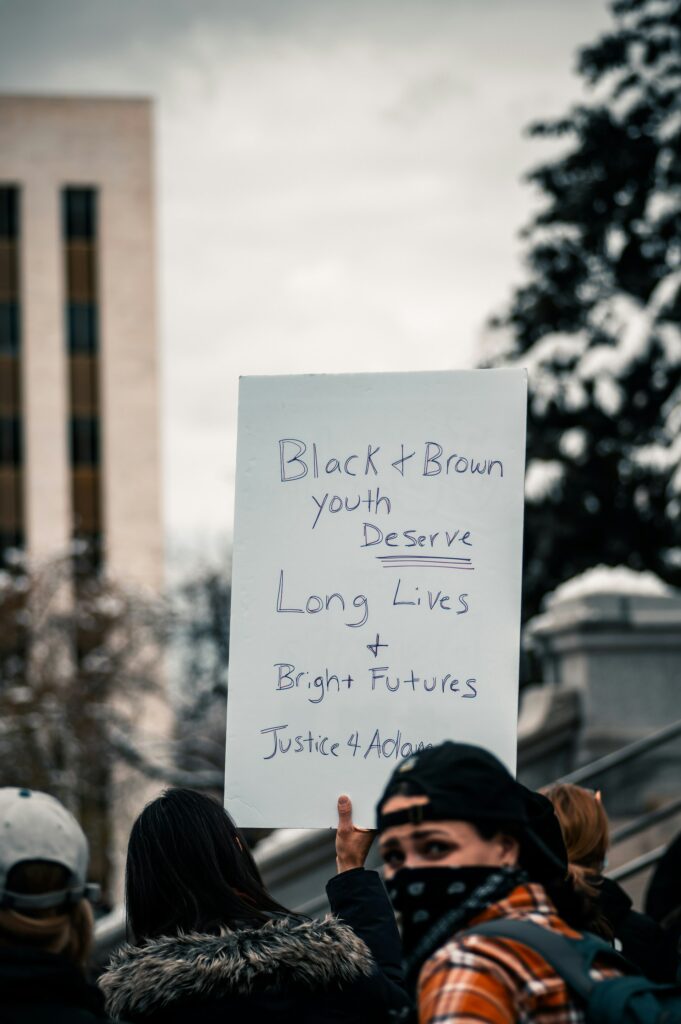

Cultural Strengths, Resilience, and
Pathways to Thriving
Centering Black Assets and Protective Factors
Investigating cultural assets, community connections, racial identity development, and Afrocentric worldviews as buffers against racism-related stress and suicide risk
Examining how racial socialization, spirituality, communalism, and cultural values serve as sources of strength, meaning-making, and psychological well-being
Understanding pathways to thriving—not just survival—for Black youth navigating oppressive systems
Exploring critical consciousness development, civic engagement, and community connectedness as mechanisms for empowerment and mental health promotion
Investigating post-traumatic growth, healing pathways, and diverse coping mechanisms (spiritual practices, physical activity, creative expression, embodiment, somatic practices)
Intersectionality and Mental Health
Understanding Complex, Intersecting Experiences
Exploring unique mental health experiences and suicide risk patterns among Black girls, women, and gender-diverse youth, including how gendered racism shapes psychological distress and help-seeking
Examining how intersecting identities (race, gender, sexual orientation, disability, socioeconomic status) compound mental health disparities and minority stress
Investigating mother-daughter relationships, intergenerational healing, and gender-specific protective factors
Understanding experiences of LGBTQ+ Black youth and adults navigating multiple marginalized identities
Developing culturally affirming approaches to supporting individuals with complex intersecting identities across educational, clinical, and community contexts


Community-Engaged Intervention Development
Translating Research to Action and Building Alternatives
Co-creating and evaluating culturally responsive, community-centered mental health interventions and suicide prevention strategies with Black youth and families
Challenging deficit-based, Eurocentric mental health models and developing alternative models of care that honor Black ways of knowing, healing, and resilience
Developing school-based interventions that promote psychological safety and dismantle the school-to-prison pipeline
Using research findings to inform mental health policy at local, state, and national levels; advocating for investments in community-based mental health resources and challenging policies that perpetuate inequities
Integrating qualitative and quantitative methods, developing culturally responsive measures, leveraging technology (ecological momentary assessment, digital mental health tools), and using community-based participatory research approaches