
essence lab
Prospective Student Guide
UC Berkeley Clinical Science PhD Program
We are accepting applications for the 2027-2028 cohort!
This guide below provides detailed information to help you determine whether ESSENCE lab might be the right environment for your doctoral training. I believe that a successful mentor-mentee relationship depends on alignment of values, working styles, and goals.

ESSENCE Lab Values
Holistic Well-Being
Mental health and well-being matter more than any deadline. We’re committed to supporting each other through challenges and creating space for healing and growth.
Purposeful Engagement
We focus on research that aligns with our passions and values, taking pride in contributions that center strength, resilience, and culturally grounded pathways to mental health.
Supportive Environment & Collaborative Spirit
Graduate training is challenging, and we prioritize creating a lab culture where members feel valued, heard, and supported in both their professional development and personal growth.We grow stronger together. We offer support, uplift peers, and celebrate each other’s successes—our collective progress matters most.
Empowerment Through Science
We believe research should serve communities and create actionable knowledge. Our work aims to translate findings into real-world applications that promote wellbeing and equity.
Respect for Difference
We honor each person’s lived experiences, identities, communication styles, and boundaries across race, gender, sexual orientation, religion, disability, culture, and neurodiversity.
Dr. Stephens’ Mentorship Philosophy
I’m deeply committed to supporting your development—scientifically, emotionally, and professionally—as you build your skills, ideas, and career trajectory. My approach centers on seeing you as a whole person with a meaningful life beyond the lab.
Core Principles
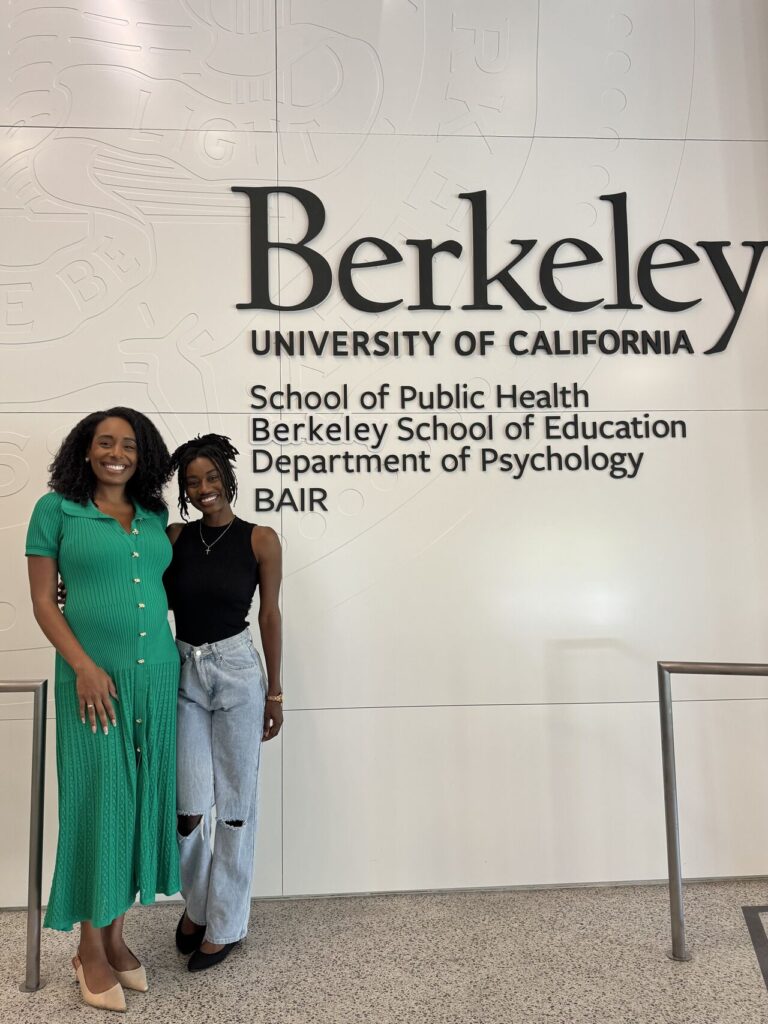
Individualized Support: I recognize that each student enters the program with different backgrounds, goals, and needs. I work to understand what drives you professionally and personally, then tailor mentorship accordingly. Whether you’re interested in academic research, clinical practice, policy work, or industry positions, I’m committed to helping you build the skills and connections needed for your chosen path.
Open Communication: I believe in creating space for honest dialogue about challenges, concerns, and changing priorities. Regular check-ins allow us to address issues before they become major obstacles. I encourage students to share feedback about what is and isn’t working in our mentorship relationship.
Resource Connection: Part of effective mentorship is opening doors. I actively introduce students to collaborators, funding opportunities, and professional networks that align with their interests. This includes facilitating connections both within and beyond UC Berkeley.
Professional Development Focus: Beyond conducting research, I emphasize helping students develop as scientific communicators, grant writers, teachers, and colleagues. These skills are foundational regardless of career trajectory.
Constructive Feedback Culture: I provide specific, actionable feedback designed to help students improve. I frame critiques in terms of development rather than judgment, and I’m transparent about the reasoning behind my suggestions.
Characteristics of Students
Who Thrive in Our Lab
The following qualities tend to predict positive experiences and outcomes in our lab environment.
- Intrinsic Research Motivation: You find the process of asking questions, designing studies, and interpreting data inherently engaging—not just a means to an end. It might sound silly but…You genuinely love research!
- Commitment to Anti-Black Racism Research: You're genuinely invested in understanding racism-related stress, suicide disparities, and pathways to thriving in Black communities. This work matters deeply to you.
- Project Management Skills: The ability to break large goals into manageable tasks, set realistic timelines, and follow through on commitments.
- Self-Awareness and Accountability: You remain accountable to deadlines. When something goes wrong, you're willing to examine your own role and take responsibility for mistakes.
- Collaborative Mindset: You contribute positively to group dynamics, celebrate others' successes, and recognize that collective progress benefits everyone.
- Quantitative Research Skills: You have some foundation in statistical thinking and data analysis, or you're genuinely motivated to develop these skills. This might include prior coursework in statistics, experience with statistical software (R, SPSS, SAS, Stata, Mplus), or simply comfort with quantitative reasoning and working with numbers. You don't need to be a statistics expert coming in—that's what graduate training is for—but you should be willing to engage deeply with quantitative methods, attend statistics workshops, troubleshoot code, and work through analytical challenges.
- Qualitative Research Skills: You have an interest in learning and utilizing qualitative methods for understanding lived experiences, meaning-making, and cultural context. This includes skills like conducting interviews or focus groups, coding and analyzing narrative data, and identifying themes while staying grounded in participants' own words. You approach qualitative data with curiosity and respect, recognizing that community members are experts on their own experiences. Prior qualitative experience is not required, but openness to learning these methods and appreciating their value alongside quantitative approaches is essential. We integrate both methodologies in our work.
What You Can Expect From Us
A Welcoming Lab Culture
New members receive structured onboarding, and established members help create an inclusive environment where questions are welcomed.
Peer Support System
Graduate students and postdocs offer informal mentorship, collaborative opportunities, and emotional support during challenging times.
Professional Development Resources
Access to workshops, writing groups, statistical consultation, and career planning support.
Transparent Communication
Clear explanations of expectations, policies, and decisions that affect you.
Flexibility During Life Events
Understanding and accommodation when health issues, family responsibilities, or other significant life events arise.
Advocacy
Support in navigating departmental requirements, resolving conflicts, and accessing university resources.
markers of success
Success in our lab is multidimensional and individualized. Generally, it includes:
Producing research that advances knowledge in clinical science, asks important questions, and is methodologically sound.
Graduating with clarity about your career direction and confidence in your abilities as a scientist and/or clinician.
Building expertise in research methods, data analysis, scientific writing, grant development, and professional communication.
Establishing connections with colleagues, collaborators, and mentors who can support your career beyond graduate school.
Developing resilience, self-knowledge, and the ability to navigate professional challenges effectively.
Self-Assessment Questions
Reflect on these questions to evaluate potential alignment with the ESSENCE Lab:
Research Area Alignment
- Are you genuinely interested in understanding and reducing suicide disparities in Black communities?
- Do you want to investigate how racism and discrimination impact mental health for Black Americans across the lifespan?
- Do you want to develop or evaluate culturally responsive interventions, programs, or policies?
- Are you excited about integrating qualitative and quantitative methods to capture the complexity of lived experiences?
Research and Career Motivation
- Is research a central component of your long-term career vision, or primarily a stepping stone?
- Do you find satisfaction in the day-to-day process of conducting research, even when it’s tedious or frustrating?
- Are you interested in developing mentorship skills through supervising undergraduates?
Interpersonal and Collaborative Orientation
- Do you actively contribute to creating positive group dynamics?
- Are you comfortable communicating when you’re struggling or need support?
- Can you balance being a supportive colleague with maintaining appropriate boundaries?
- Do you respond to messages and follow through on commitments consistently?
Self-Reflection and Growth
- Are you interested in regularly discussing your development, goals, and the mentorship relationship?
- When you receive critical feedback, what is your typical initial reaction?
- Can you identify specific examples of when you’ve taken accountability for mistakes?
- How do you typically respond when circumstances change and you need to adapt your approach?
Even if you do not answer “yes” to everything—if you’re still interested after reading this guide, you should absolutely apply.
This page was inspired by the COLOR Lab at University of Louisville.